TPE vs. Silicone: What's the Difference? A Complete Material Comparison Guide
Introduction
When choosing products made from flexible, skin-like materials, TPE and silicone are two of the most commonly used options.
Both materials offer unique advantages in terms of softness, flexibility, and performance. However, they differ significantly in their manufacturing processes, durability, maintenance requirements, and overall cost.
So, which material is better?
The answer depends on your priorities. TPE is often preferred for its affordability, softness, and production flexibility, while silicone is valued for its durability, heat resistance, and long-term stability.
In this guide, we will explore the characteristics, advantages, and disadvantages of both materials, followed by a detailed comparison to help you make an informed decision.
1. What Is TPE Material?
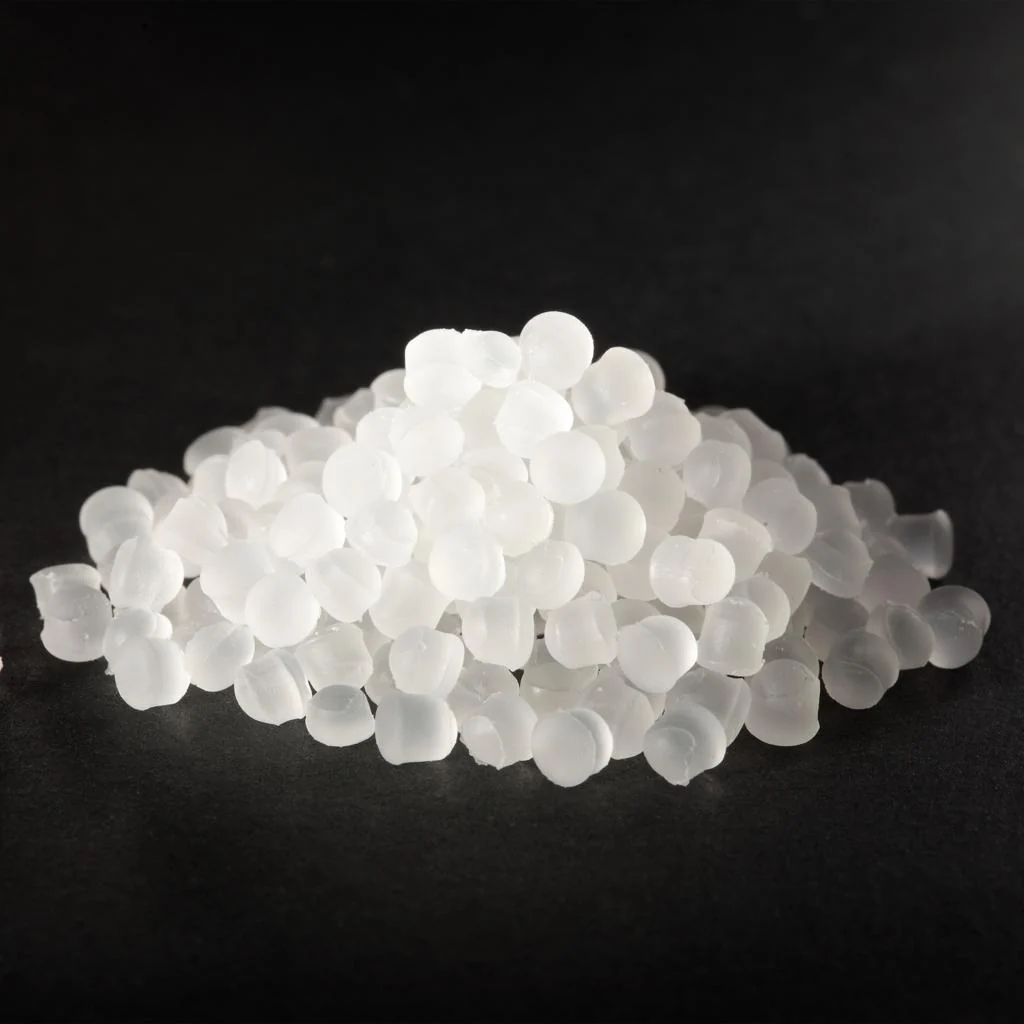
TPE stands for Thermoplastic Elastomer. It is a family of materials that combines the flexibility of rubber with the processing advantages of thermoplastics.
Unlike traditional rubber, TPE can generally be softened by heating and reshaped through suitable manufacturing processes.
TPE is widely used in consumer products, automotive components, toys, grips, seals, and other applications that require flexibility and a soft-touch surface.
Advantages of TPE
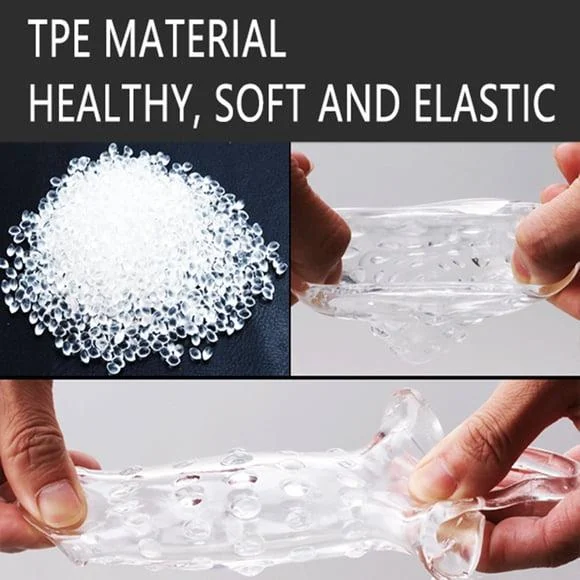
1. Soft and Flexible Feel
One of the biggest advantages of TPE is its soft, elastic texture. Depending on its formulation and hardness, it can provide a flexible, rubber-like feel.
2. Cost-Effective
TPE is generally more affordable than many silicone formulations. Its efficient processing methods can also help reduce manufacturing costs, making it a popular choice for products targeting different price ranges.
3. Easy to Process
TPE can be processed using methods such as injection molding and extrusion. This provides manufacturers with greater production flexibility and efficiency.
4. Recyclable and Reprocessable
Many TPE formulations can be reheated and reprocessed, reducing material waste. However, actual recyclability depends on the formulation and available recycling facilities.
5. Wide Range of Hardness Options
TPE can be formulated in different hardness levels, allowing manufacturers to create products with different softness and flexibility characteristics.
Disadvantages of TPE
1. Lower Heat Resistance
Compared with many silicone materials, TPE generally has lower heat resistance. High temperatures may cause deformation or affect its physical properties.
2. Aging and Environmental Sensitivity
Some TPE formulations may become discolored, hardened, or less elastic after prolonged exposure to sunlight, heat, or environmental conditions.
3. Oil and Chemical Compatibility
Certain oils, solvents, and chemical substances may affect TPE. Material compatibility should be checked before using specific cleaning products.
4. Maintenance Requirements
Depending on its formulation and surface finish, TPE may require more careful cleaning and maintenance to preserve its appearance and performance.
2. What Is Silicone Material?
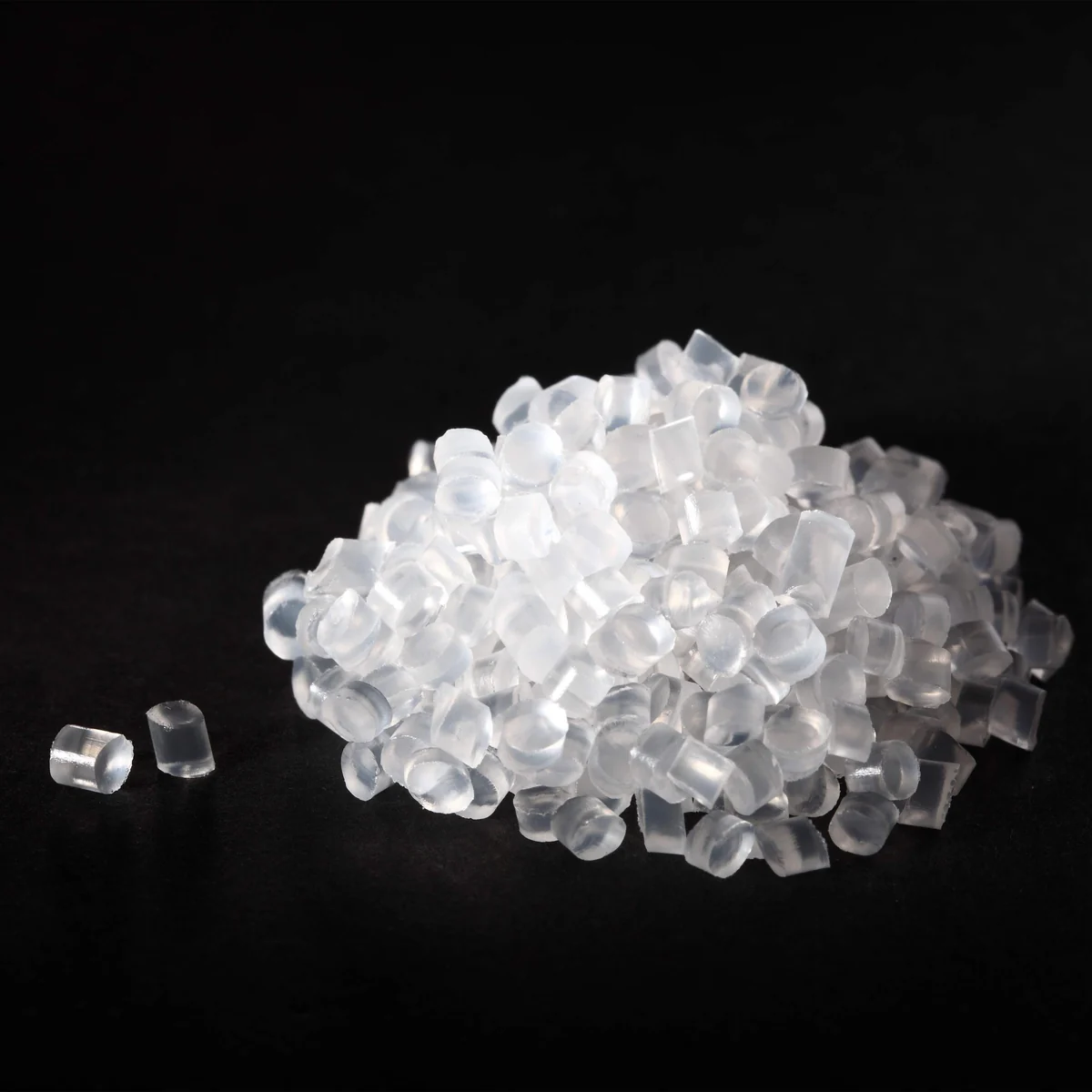
Silicone is a synthetic elastomer based on a silicon-oxygen backbone. It is known for its excellent temperature resistance, chemical stability, and flexibility.
Unlike TPE, conventional silicone rubber is generally manufactured through a curing or crosslinking process, creating a stable elastomer that cannot simply be melted and reshaped after curing.
Silicone is widely used in medical devices, kitchenware, electronics, automotive components, and many other products requiring reliable material performance.
Advantages of Silicone
1. Excellent Temperature Resistance
Silicone performs well across a wide temperature range. Many silicone grades can withstand temperatures from approximately -50°C to 200°C, with some specialized formulations handling even higher temperatures.
2. Excellent Durability
Silicone generally offers good resistance to aging, oxidation, UV exposure, and environmental changes.
This makes it suitable for applications where long-term performance is important.
3. Chemical Stability
Silicone has good resistance to many chemicals and environmental conditions. Its performance depends on the specific chemical involved and the silicone formulation.
4. Good Skin Compatibility
Certain properly formulated and tested silicone grades are suitable for medical or skin-contact applications.
However, not every silicone product is automatically medical-grade or biocompatible. Certification and testing matter.
5. Stable Physical Properties
Silicone generally maintains its flexibility and elasticity over a wide range of temperatures, making it a reliable material for demanding applications.
Disadvantages of Silicone
1. Higher Material Cost
Silicone raw materials are generally more expensive than many common TPE formulations. Manufacturing costs can also be higher.
2. More Complex Manufacturing
Silicone often requires curing processes, specialized molds, and more controlled production conditions.
This can increase manufacturing time and production costs.
3. Recycling Challenges
Conventional cured silicone is a thermoset elastomer and cannot be remelted and reprocessed like ordinary thermoplastics.
4. Different Surface Feel
Depending on its formulation and surface treatment, silicone may feel different from TPE. Some products have a firmer or less naturally soft-touch surface.
3. TPE vs. Silicone: Detailed Comparison
Now that we understand both materials, let's compare them directly.
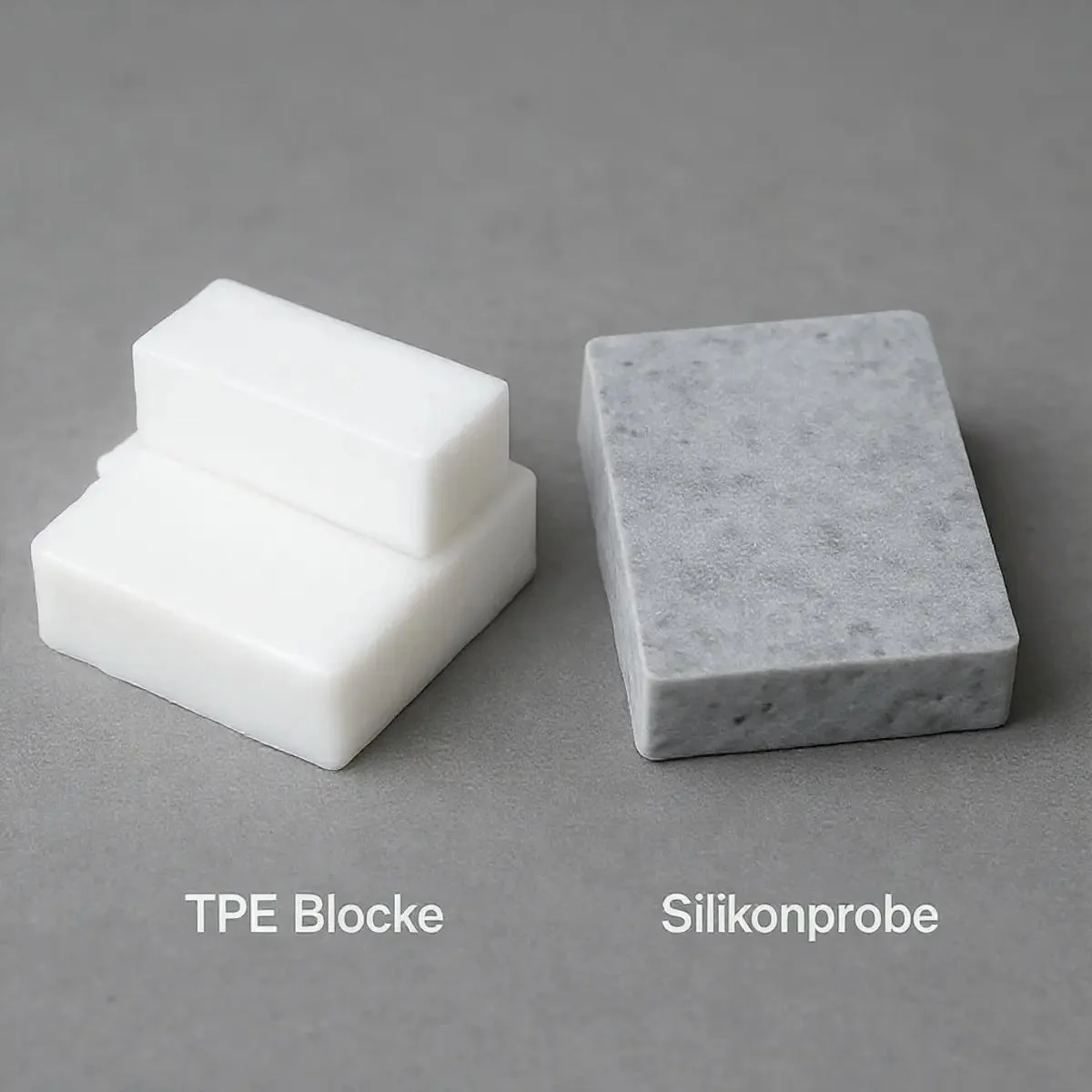
| Comparison | TPE | Silicone |
|---|---|---|
| Material type | Thermoplastic elastomer | Silicone elastomer |
| Softness | Can be very soft | Depends on formulation |
| Flexibility | Excellent | Excellent |
| Heat resistance | Generally lower | Generally higher |
| Aging resistance | Formulation-dependent | Generally excellent |
| UV resistance | Varies by formulation | Generally excellent |
| Chemical resistance | Varies by formulation | Good against many chemicals |
| Processing | Injection molding, extrusion | Usually curing or molding |
| Reprocessing | Often possible | Conventional cured silicone cannot be remelted |
| Manufacturing cost | Generally lower | Generally higher |
| Maintenance | Depends on surface and formulation | Depends on surface and formulation |
Which Material Is Softer?
Neither material is automatically softer than the other.
The actual softness depends on the material formulation, Shore hardness, additives, and manufacturing process.
Both TPE and silicone can be manufactured in different hardness levels to meet specific product requirements.
Which Material Is More Durable?
Silicone generally has an advantage in heat resistance, UV resistance, and long-term environmental stability.
However, actual product durability also depends on wall thickness, structural design, material quality, and how the product is used and maintained.
Which Material Is More Affordable?
TPE generally offers a cost advantage in raw materials and large-scale production.
Silicone usually involves higher material and manufacturing costs, but may provide better performance in applications requiring heat resistance and long-term stability.
4. How to Choose Between TPE and Silicone?
There is no universal winner. The right choice depends on your budget, product requirements, and expected usage conditions.
Choose TPE if you prioritize:
- A more affordable product price.
- Soft and flexible material characteristics.
- Flexible manufacturing options.
- A wide selection of hardness levels.
- Cost-effective production.
Choose Silicone if you prioritize:
- Better high-temperature performance.
- Long-term environmental stability.
- UV and aging resistance.
- Consistent performance under demanding conditions.
- Specific tested medical or skin-contact requirements.
5. Final Verdict: TPE or Silicone?
TPE and silicone are both valuable materials, but they serve different needs.
TPE stands out for its affordability, flexibility, and manufacturing efficiency. Silicone is an excellent option for applications that demand higher temperature resistance, aging resistance, and long-term stability.
Rather than choosing a material based solely on its name, buyers should consider the actual formulation, material testing, product construction, and intended application.
The best material is the one that delivers the right balance of performance, quality, durability, and price.
If you are sourcing products from manufacturers, always ask for the exact material grade, relevant test reports and the care instructions before placing an order.
Looking specifically at life-size figures? Our TPE vs silicone sex doll buying guide covers pricing, cleaning routines and the silicone-head-on-TPE-body option.
See both materials in the catalogue
Switch the material selector on any product page to compare silicone and TPE bodies side by side.
Shop Sex Dolls